

Between the Margins Why Romance Readers Turn Paperbacks into Emotional Keepsakes
The Intimate Art of Defacing Fiction
For generations, a treasured book was often imagined as an untouched object, its jacket crisp, its pages uncreased, its spine standing straight on the shelf. Romance readers are quietly changing that ideal. A paperback that has travelled through a rainy commute, a midnight reading session, or a weekend wrapped in a blanket may be more beautiful for showing where it has been. A cracked spine, a softened cover, and a constellation of pastel tabs can become evidence of attention rather than damage. In the world of romance reading, wear is increasingly understood as a form of devotion.
Annotation makes that devotion visible. The translucent flutter of a tab, the faint glow of a highlighter beneath a sentence, or a hurried note beside an especially devastating confession turns reading into a tactile experience. The reader is no longer merely receiving a story but answering it, line by line, with delight, disbelief, recognition, and desire. Like arranging candles before an intimate dinner, marking a novel creates atmosphere and intention. The paperback becomes an emotional archive, preserving not only what happened to the characters, but also what happened inside the person holding the book.
Marginalia as an Emotional Compass Across Centuries
Writing in books is hardly a new rebellion against pristine shelves. Readers have been leaving traces in manuscripts for centuries. Medieval texts could contain glosses, corrections, observations, prayers, and responses placed around the main writing. In some cases, the margins became lively visual spaces, crowded with decorated initials, figures, symbols, and commentary. Those marks were not always separate from the text”s meaning. They helped readers interpret difficult passages, remember important ideas, and connect the written word with their own intellectual and spiritual lives.
Historical marginalia also reveals something intimate about reading itself. A note in the margin may record agreement, confusion, amusement, or outrage. It can preserve the moment a sentence startled someone into paying closer attention. Readers who explore the centuries-old art of marginalia can also consult an Authoritative Source on the subject. They encounter a tradition in which books are not silent containers, but meeting places between an author, a text, and successive readers. The scribble is evidence of reception, a small record that a particular passage mattered to a particular person at a particular time.
Modern romance annotation carries that inheritance into a more deliberately emotional register. A reader may underline a line about trust, flag the first moment of mutual vulnerability, or write a note beside a reunion that echoes an old hope. The purpose need not be scholarly, and there is no obligation to build an elaborate academic system. A pencil, a single pen, removable tabs, or a separate notebook can be enough. What matters is the act of pausing long enough to register the feeling. Annotation transforms a commercial paperback into a keepsake shaped by memory, much like a pressed flower saved between pages after an important evening.
The Anatomy of a Tabbed Romance
Contemporary romance readers often create a visual language for their books. Online reading communities have helped make these systems visible, especially through photographs of color-coordinated pages and carefully arranged annotation supplies. The approach is entirely personal, but a simple key can make a novel easier to revisit. One color might identify tenderness, another tension, another humor, and another a line that deserves to be read aloud. Some readers distinguish tropes such as enemies to lovers, friends to lovers, forced proximity, or second chances. Others track character growth, intimate scenes, moments of emotional honesty, or sentences that feel too beautiful to leave unmarked.
The tools contribute to the sensory pleasure. Translucent highlighters allow the printed words to remain visible beneath a soft wash of color. Micro-point gel pens suit narrow margins and quick reactions, while muted sticky tabs can create a refined palette rather than an overly bright one. A small pencil case with rose, lavender, sage, cream, and dusty blue supplies can feel like a miniature dressing table for the book. The most useful system is the one that protects reading flow. Mark a sentence when it catches, add tabs at the end of a chapter if stopping would break the spell, and keep the code simple enough to remember.
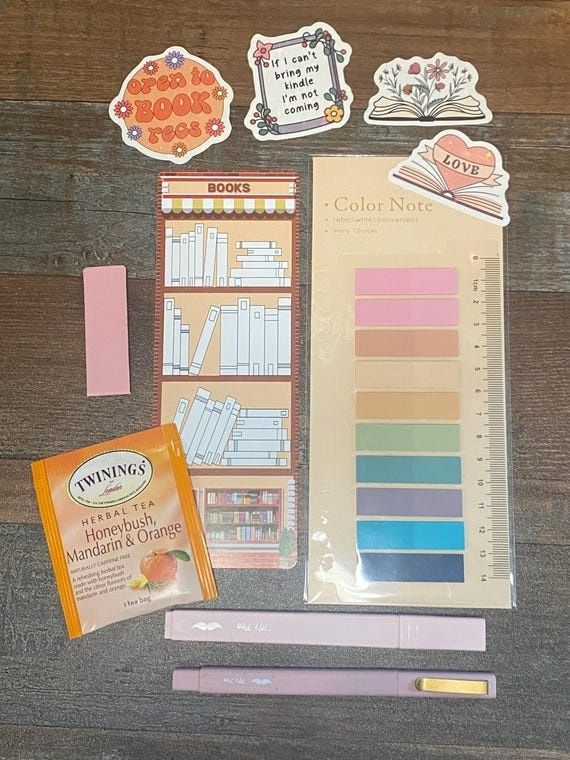
| Tab color | Emotional state | Possible romance marker |
|---|---|---|
| Rose | Tenderness and affection | Gentle gestures, vulnerable confessions, emotional safety |
| Lavender | Longing and anticipation | Yearning, unresolved attraction, almost-kisses |
| Sage | Growth and healing | Apologies, boundaries, self-discovery, earned trust |
| Amber | Heat and intensity | Flirtation, charged proximity, intimate scenes |
| Blue | Heartbreak and reflection | Separation, grief, difficult truths, emotional turning points |
| Silver | Favorite language | Memorable prose, witty dialogue, lines to revisit |
This taxonomy is an invitation, not a rulebook. Discussion threads on annotation ideas from BookTok readers show how widely practices can vary, even when the source text is the same. One reader may mark every instance of meaningful dialogue, while another may use a single color for anything that produces a physical reaction. The charm lies in seeing how a system develops around an individual reader”s attention. A tabbed romance can look like a soft, colorful map of the plot, but it is also a map of the reader”s private weather.
Expressive Writing and the Psychology of the Swoon
Romance creates unusually strong opportunities for micro-reflection because its emotional architecture is so visible. A reader may write “he did not just say that,” “please communicate,” or “this is going to hurt” beside a scene. These comments are brief, but they capture an immediate response before it becomes polished or distant. Recording heartbreak, tension, relief, and joy can offer a contained form of catharsis. The story provides enough distance to explore difficult feelings without requiring the reader to explain them as personal autobiography.
Research on expressive writing suggests that putting emotionally important experiences into words can influence psychological and physical well-being, although results vary and writing can initially increase distress. A review published by Cambridge Core describes findings involving mood, cognitive processing, and health outcomes, while also emphasizing that benefits are not uniform. Annotation is not therapy, nor should it be presented as a substitute for professional support. It can, however, provide a small reflective ritual in which emotions are noticed, named, and connected to language.
- Write the first honest reaction, even if it is only a few words.
- Mark the difference between what a character feels and what the reader recognizes.
- Use a separate note for questions, predictions, or moments that need a later reread.
- After finishing, choose one passage that reflects the book”s emotional center.
Creating Shared Intimacy Across Shared Pages
An annotated book swap turns solitary reading into a quiet conversation. Two friends, partners, or members of a reading group can read the same paperback and exchange it with notes left behind. The comments may disagree, tease, predict, or respond to one another across chapters. A heart beside a tender scene can meet a question in the opposite margin. A warning about an approaching emotional ambush can become part of the gift. In an age when passages can be copied and shared instantly, handwriting restores a sense of physical presence.
The practice also suits romance because the genre is deeply connected to the circumstances in which it is read. A book marked during a summer of new independence will carry different emotional weight from the same book read during a winter of recovery or a season of falling in love. Reader identity, geography, age, culture, faith, and personal history all influence how romance is interpreted. Scholarship on romance readers has long examined these varied contexts, reminding readers that there is no single correct way to inhabit the genre. A shared paperback makes those differences visible without requiring them to be resolved.
Decorated pages can deepen immersion as well as preserve memory. The Getty”s exhibition material on the visual power of margin art demonstrates how borders, ornament, and surrounding marks can shape the experience of a narrative object. A contemporary romance need not become an illuminated manuscript to benefit from the same principle. Small stars, pressed-paper stickers, discreet doodles, or a handwritten dedication can give a mass-market edition the atmosphere of a personal heirloom.
- Choose a paperback that carries emotional significance or invites rereading.
- Agree on a light annotation code so the recipient understands the marks.
- Leave space for the other reader”s responses rather than filling every margin.
- Add a date, location, or brief dedication to identify the season of the exchange.
- Store the finished book with photographs, letters, or other objects from that period.
The result is more than a decorated novel. It is a record of connection, preserving the gestures of two readers who met inside the same fictional world. Years later, a note in familiar handwriting may return an entire atmosphere: the room where the book was opened, the music playing nearby, the person who recommended it, or the particular hope that made one scene unforgettable.
Preserve Your Heart on Every Feathered Page
Collector guilt has no place in a reading ritual designed to create intimacy. Not every book must remain pristine, and not every paperback needs to be annotated. Some stories deserve clean pages; others seem to ask for evidence of their passage through a life. The choice can depend on the edition, the anticipated reread, or simple instinct. A library copy can be honored with removable tabs and notes in a separate journal, while a personal copy can receive ink, folded corners, and the full vocabulary of reaction.
Begin tonight with one pen and three tabs. Mark a sentence that makes the room feel suddenly quieter, a moment that causes an involuntary smile, and a passage that reveals why the story matters. Over time, those modest gestures will form a map of passion, comfort, surprise, and literary joy. The worn romance paperback on the shelf will not merely remember its plot. It will remember the reader who lingered, responded, and made the pages part of a life.