
The Allure of Storms and Stone
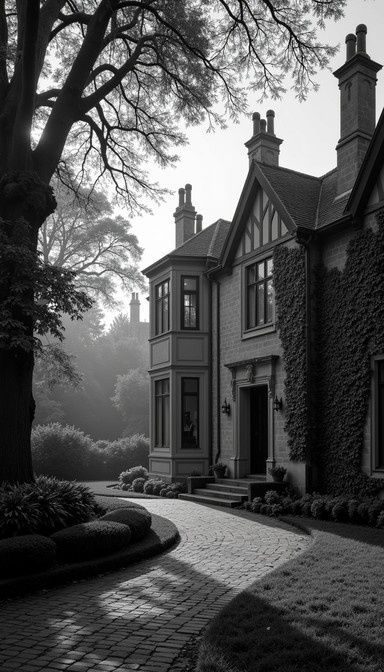
Gothic romance begins where ordinary comfort ends: beyond the last warm pool of lamplight, behind a heavy wooden door, beneath a sky gathering itself into thunder. It is not simply a style of pointed arches, antique mirrors, and eerie ornamentation. At its heart, Gothic romance is an intimate emotional journey intensified by physical surroundings. A secluded house, a wind-beaten coast, or a corridor lit by candlelight becomes an emotional echo chamber, making every pause, confession, and glance feel more consequential. For couples seeking a more meaningful escape, even a carefully chosen Gothic novel tradition can offer inspiration for turning atmosphere into connection.
From the haunted castles of eighteenth-century fiction to the storm-lashed estates of nineteenth-century literature, the Gothic has long understood that isolation changes the temperature of desire. Modern travelers are drawn to the same promise when they choose historic inns, remote manor houses, and richly furnished countryside retreats over predictable hotel rooms. When phones are silenced and wild weather presses against the windows, superficial routines begin to fall away. Two people are left with the fire, the darkness, the landscape, and the possibility of saying what everyday life makes easy to postpone.
Architects of Yearning from Radcliffe to the Brontës
Ann Radcliffe helped establish the emotional architecture of the female Gothic. In novels such as The Mysteries of Udolpho, published in 1794, and The Italian, published in 1797, isolated heroines confront confinement, threats to property, forced marriage, and the restrictions imposed by patriarchal society. Yet Radcliffe”s women are not merely waiting to be rescued. They develop perception, courage, moral judgment, and rational thought. Her use of the “explained supernatural,” in which apparent ghosts and apparitions ultimately receive rational explanations, creates suspense while preserving the importance of reason.
Radcliffe also recognized that architecture could behave almost like a character. Towers, galleries, shuttered rooms, mountain passes, and distant ruins externalize an heroine”s uncertainty. A locked door suggests social power as much as physical danger; a long corridor turns anticipation into a measurable distance. Her detailed landscapes and sublime settings intensify psychological dread, but they also give the heroine room to think, observe, and resist. That combination of vulnerability and agency remains essential to contemporary romantic storytelling, especially for readers who want passion to be accompanied by emotional depth rather than simple theatrical darkness.
Emily and Charlotte Brontë carried this atmosphere into landscapes that seem to possess their own weather and will. In Wuthering Heights, the Yorkshire moors are not decorative scenery. Their exposed horizons, violent winds, and difficult paths mirror the ferocity and instability of Catherine and Heathcliff”s bond. In Jane Eyre, Charlotte Brontë uses Thornfield Hall, its concealed rooms, interrupted silences, and social hierarchies to build tension between intimacy and danger. The house makes secrecy tangible, while the surrounding landscape offers both escape and emotional truth. Readers can deepen their understanding of this literary evolution through historical scholarship on the classic Gothic novel and its enduring emotional tropes.
Why Confinement and Isolation Deepen Intimacy
Seclusion works romantically because it removes the small performances that modern life continually demands. In a busy city, conversation is interrupted by notifications, appointments, errands, and the quiet pressure to remain available. In a remote house during a storm, those distractions lose their authority. The question changes from what must happen next to what can be shared now. A couple may begin with practical observations about the weather or the unfamiliar house, then move naturally toward memories, anxieties, hopes, and the parts of themselves that are less polished.
This does not mean that confinement automatically creates closeness. Privacy can reveal incompatibility as readily as it reveals tenderness, and any romantic retreat should allow both partners enough physical and emotional comfort. The setting works best when it offers safety alongside mystery. A warm bedroom, reliable heating, accessible food, and a clear route home create the foundation from which a couple can explore a darker aesthetic without feeling genuinely threatened. Atmospheric romance is most satisfying when the shadows are chosen, not imposed.
Environmental adversity can also create a modest form of shared resilience. A blizzard delays a planned walk; a maze of corridors turns a search for extra blankets into an adventure; an old house creaks as the wind changes direction. These experiences provide small opportunities for cooperation, humor, and mutual care. Literary theorists frequently examine how domestic tension transforms passion, and readers can consult scholarly research on Gothic literature for further discussion of the genre”s narrative power, although access to the linked academic page may require verification.
Historic hideaways also offer sensory richness that many modern interiors lack. An empty contemporary room can be beautiful, but its smooth surfaces and controlled temperature rarely tell a story. Weathered stone, uneven floorboards, tarnished brass, and dark timber carry evidence of time. The smell of peat smoke, beeswax, old paper, and rain creates a setting that engages the body as well as the imagination. Against this texture, a shared meal feels more deliberate, a whispered joke more private, and a simple hand held across the table more vivid.
Core Elements of Modern Atmospheric Romance
Modern Gothic romance does not require discomfort, theatrical costumes, or a house genuinely in disrepair. Its most effective ingredients combine the emotional tension of classic Gothic fiction with the soft luxury of a carefully considered retreat. The aim is contrast: darkness balanced by warmth, age softened by comfort, mystery supported by practical ease. A couple should feel transported without needing to sacrifice sleep, privacy, or good food.
| Classic Gothic element | Elegant modern interpretation |
|---|---|
| Remote castle or manor | A heritage countryside property with privacy, history, and dependable amenities |
| Storm and hostile landscape | A seasonal walk, sheltered viewpoint, or weather-watched afternoon beside the fire |
| Secret passage and locked room | A house tour, hidden reading nook, archive room, or simply a space reserved for uninterrupted conversation |
| Candlelit suspense | Amber lamps, taper candles used safely, and low lighting that flatters the room without obscuring it |
| Dark romantic interiors | Polished dark woods, heavy velvet curtains, aged brass, textured linens, and restrained antique accents |
| Emotional confession | A screen-free evening built around questions, music, reading aloud, and unhurried attention |
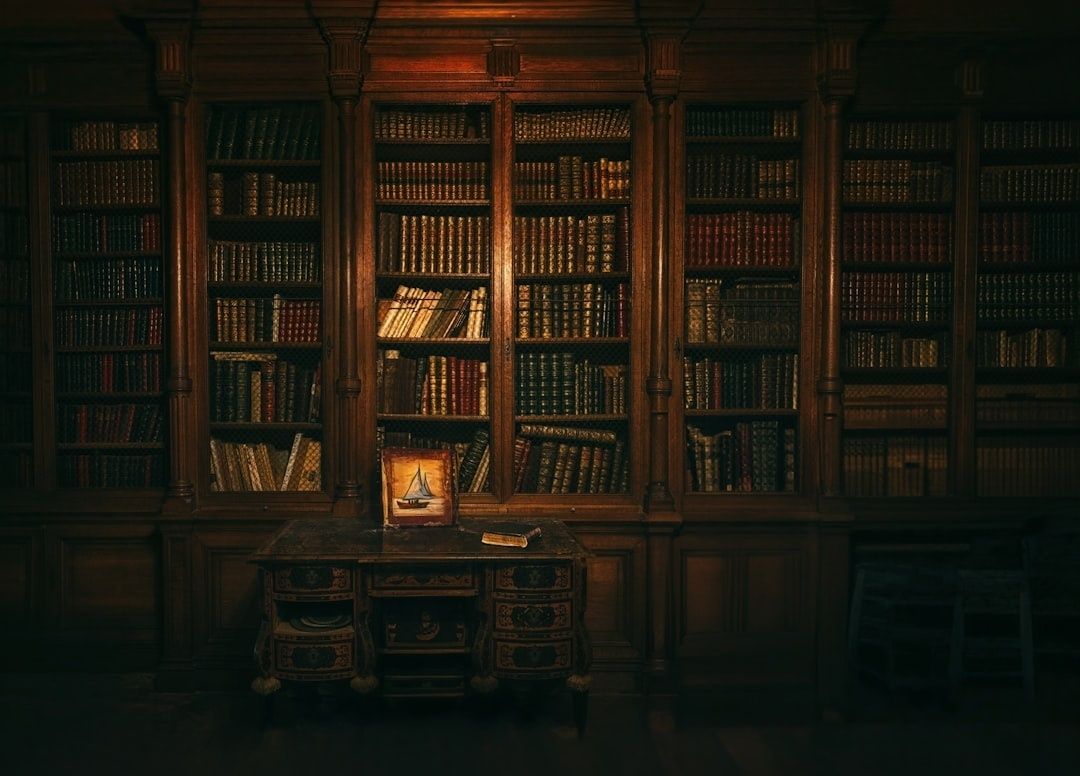
Tactile details matter because atmosphere is assembled through the senses. Heavy velvet curtains can make a room feel enclosed and private. A crackling peat fire adds movement and a distinctive earthy scent. Polished dark woods reflect candlelight in warm, irregular glimmers, while amber lamps soften the hard edges of evening. The strongest design is not cluttered with every available Gothic symbol. One dramatic object, such as an antique portrait or carved headboard, often has more power than a room crowded with imitation relics.
Curating Your Own Gothic-Inspired Retreat
Planning a Gothic-inspired escape is less about finding the most dramatic building than choosing a setting that supports the mood and the relationship. A heritage property in the countryside can provide architectural character, but check practical details before booking, including heating, accessibility, dining arrangements, mobile reception, parking, and the property”s cancellation policy. The best retreat allows mystery outside the room and ease inside it. Consider the season carefully: autumn offers rain, russet landscapes, and early darkness, while winter brings the strongest fireside atmosphere but requires more attention to travel conditions.
- Choose the emotional tone before choosing the property. Decide whether the retreat should feel scholarly, stormy, luxurious, rustic, or quietly melancholic.
- Select a location with one or two meaningful experiences nearby, such as a historic garden, woodland path, literary site, gallery, or coastal viewpoint. Avoid filling every hour, since unplanned time is part of the intimacy.
- Prepare a small sensory collection: vintage leather-bound volumes, a spiced fragrance such as clove or cedar, textured throws, and a rich vintage wine or another favored drink. Pack thoughtfully rather than excessively.
- Agree on a digital boundary before arrival. Put phones on silent, set one limited check-in window if necessary, and keep chargers away from the bedside so the room remains a place for conversation and rest.
- Create a gentle evening sequence. Begin with a walk or shared arrival ritual, move to a meal without screens, then allow the night to unfold through music, reading, cards, or unhurried conversation.
Small gestures will do more than expensive additions. Bring a handwritten note, choose a book with passages worth reading aloud, or prepare three questions that invite genuine conversation without feeling like an interview. Ask what has felt most difficult lately, what kind of future feels quietly exciting, or which memory deserves to be revisited. These prompts create openings, not obligations. If the mood becomes too intense, a cup of tea, a familiar comedy, or a well-lit walk can restore balance without breaking the spell.
Safety and consent should remain part of the design, particularly when the aesthetic borrows from fear, confinement, or danger. Candles need stable surfaces and supervision, fireplaces require the property”s rules to be followed, and remote travel deserves sensible preparation. The most memorable darkness is atmospheric, never careless. When comfort is protected, both partners can surrender more fully to the imaginative world created around them.
Embrace the Shadow and Spark Your Next Chapter
Gothic romance endures because it gives vulnerability a setting. In a secluded manor, beneath rain-darkened windows or beside a fire that reduces the room to amber and shadow, partners are invited to become more present. The architecture does not create intimacy by itself. It creates the conditions for attention, patience, and honest disclosure. The real romance lies in discovering how much can be shared when neither person is performing for the outside world.
For the next escape, consider stepping beyond predictable itineraries and choosing a destination steeped in history, mystery, and texture. Dim the electric lights, draw the curtains, place two glasses beside the fire, and let the evening take its time. Somewhere between the creak of old wood and the hush after a storm, a familiar relationship can feel newly illuminated, ready for its next chapter.